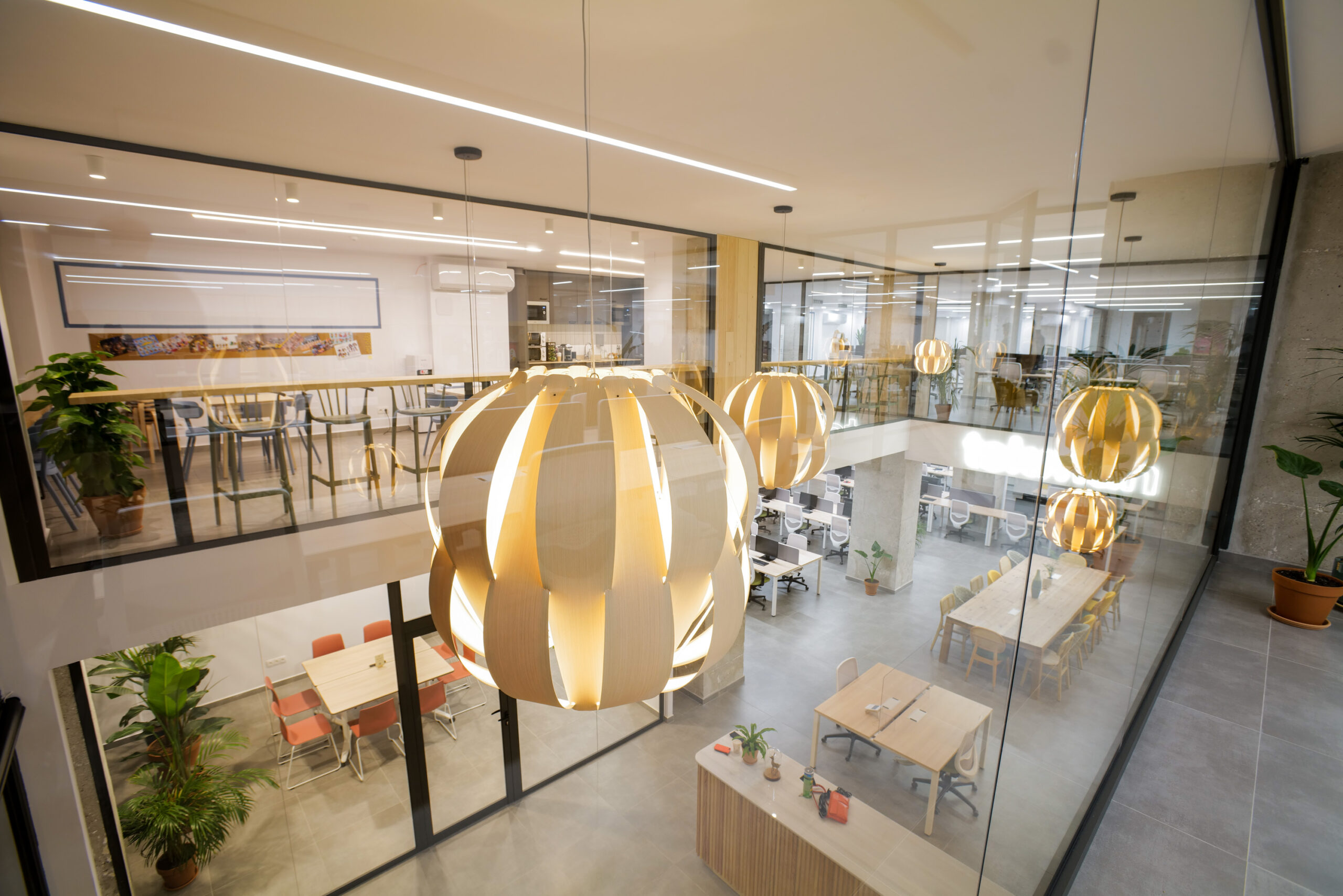
Check dit fascinerende artikel van BBC Worklife: https://lnkd.in/d6cBgFNU
De 5 key take-aways! 🚀
1. “Workers are generally in favour of hybrid work. […] employees now want to work from home an average of around 2.75 days a week, approximately only a half-day more than employers intend.”
2. “[..] mandatory office attendance skews towards younger workers. The younger the worker, and the shorter tenure, the more likely it is they’ll have more office days than older, more experienced colleagues. [..] the data suggests you seemingly have to ‘earn the right’ to work remotely more often. A strong case for in-office days is that less experienced workers are able to learn more quickly. But if their likely mentors are working from home more often, that poses a problem. So, there’s this tension between the accessibility of experienced colleagues, versus their expectation of greater flexibility. […] unless this issue with hybrid work is addressed, younger workers risk stunted career development. While this issue can perhaps be solved by fixing teams’ in-person days, stricter protocols can lead to greater problems, says Patel. “When you begin mandating how people work, rather than what you’re working on and outputs, you run the risk of getting into a dangerous spot of making employees feel you don’t trust them.”
3. “[…] around 40% of workers find it difficult to participate with others in hybrid meetings, whether they’re an in-person participant or virtual. “It’s not just a software issue – most workplaces aren’t yet equipped for hybrid meetings, and making people truly feel they’re in the same meeting. The work we do has advanced so much in less than five years, but we’re still operating in offices designed for the pre-pandemic era.”
4. “[…] while workers cherish flexibility, this too can sometimes come at a cost. Workers with the fewest in-person days reported the greatest work-life balance; conversely, 42% said they feel sometimes or frequently socially disconnected from colleagues on their remote days. “It seems the office still provides the social fabric of the organisation”.
5. “Indeed, more companies, including Disney, and investment-management firm Blackrock, are implementing four days in-office. Nike has announced it will do the same in 2024. But despite some frustrations, hybrid working is set to remain in the vast number of cases, given it’s now reached a critical mass, says Taylor. “The horse is out of the barn when it comes to flexibility. There is now enough of the workforce that expects hybrid arrangements, and if they’re required to go back to the office full-time, they’ll refuse – or quit.”
Wat zijn jouw gedachten rondom bovenstaande punten? Ik hoor ze graag.